uPVC windows have become one of the most popular choices for modern homes around the world. Homeowners, builders, and architects prefer these windows because they offer durability, energy efficiency, and low maintenance. As modern housing designs continue to focus on comfort and long-term value, uPVC windows are increasingly replacing traditional wooden and metal window frames.
The term uPVC stands for unplasticized polyvinyl chloride. It is a strong and rigid type of plastic commonly used in construction materials, especially for doors and windows. Unlike regular PVC, uPVC does not contain added plasticizers, which makes it more durable and resistant to weather damage. This material is designed to maintain its shape and strength for many years without warping or rotting.
One of the main reasons uPVC windows are popular in modern homes is their excellent durability. These windows are resistant to moisture, sunlight, and pollution, which helps them last much longer than many traditional window materials. Wooden frames may rot or attract termites over time, while metal frames can rust. uPVC windows, however, remain stable and reliable even in changing weather conditions.
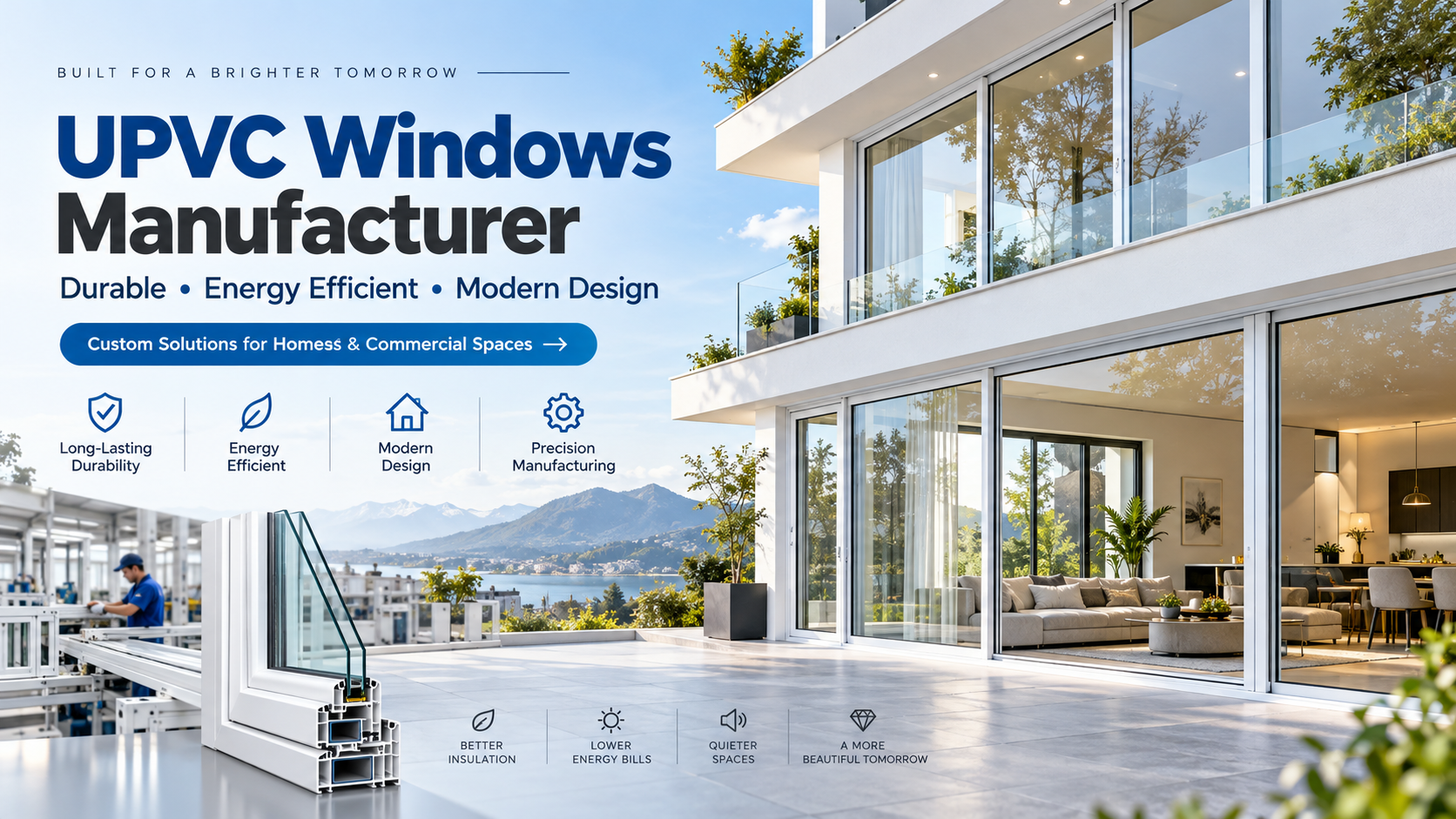
Energy efficiency is another major advantage of uPVC windows. Modern homes often aim to reduce energy consumption, and properly installed uPVC windows help achieve this goal. The material acts as a strong insulator, helping to keep indoor temperatures comfortable throughout the year. In hot weather, uPVC windows help prevent heat from entering the home, and during colder months they help retain indoor warmth. This improved insulation can reduce the need for excessive air conditioning or heating, which may help lower energy bills.
Low maintenance is also an important reason why many homeowners prefer uPVC windows. Unlike wooden windows that require regular painting or polishing, uPVC frames are easy to maintain. Simple cleaning with mild soap and water is usually enough to keep them looking new. They do not peel, crack, or fade easily, which saves both time and maintenance costs.
Another factor that contributes to the popularity of uPVC windows is their design flexibility. They are available in many styles, colors, and finishes to match different types of home architecture. From sliding windows to casement and tilt-and-turn designs, homeowners have many options to suit their space and preferences. Modern manufacturing techniques also allow uPVC windows to imitate the appearance of wood while keeping the advantages of durable plastic materials.
Security is another benefit offered by uPVC window systems. Many models are designed with multi-point locking mechanisms and reinforced frames, which help improve home safety. Strong locks and sturdy frames make these windows difficult to force open, giving homeowners greater peace of mind.
uPVC windows also help reduce outside noise, which is particularly useful for homes located in busy urban areas. Their tight sealing and insulating properties create a quieter indoor environment, improving overall comfort.
Because of their durability, energy efficiency, low maintenance, and modern appearance, uPVC windows have become a practical and reliable option for contemporary homes. As more homeowners focus on long-lasting building materials, the demand for uPVC windows continues to grow in modern construction and renovation projects.