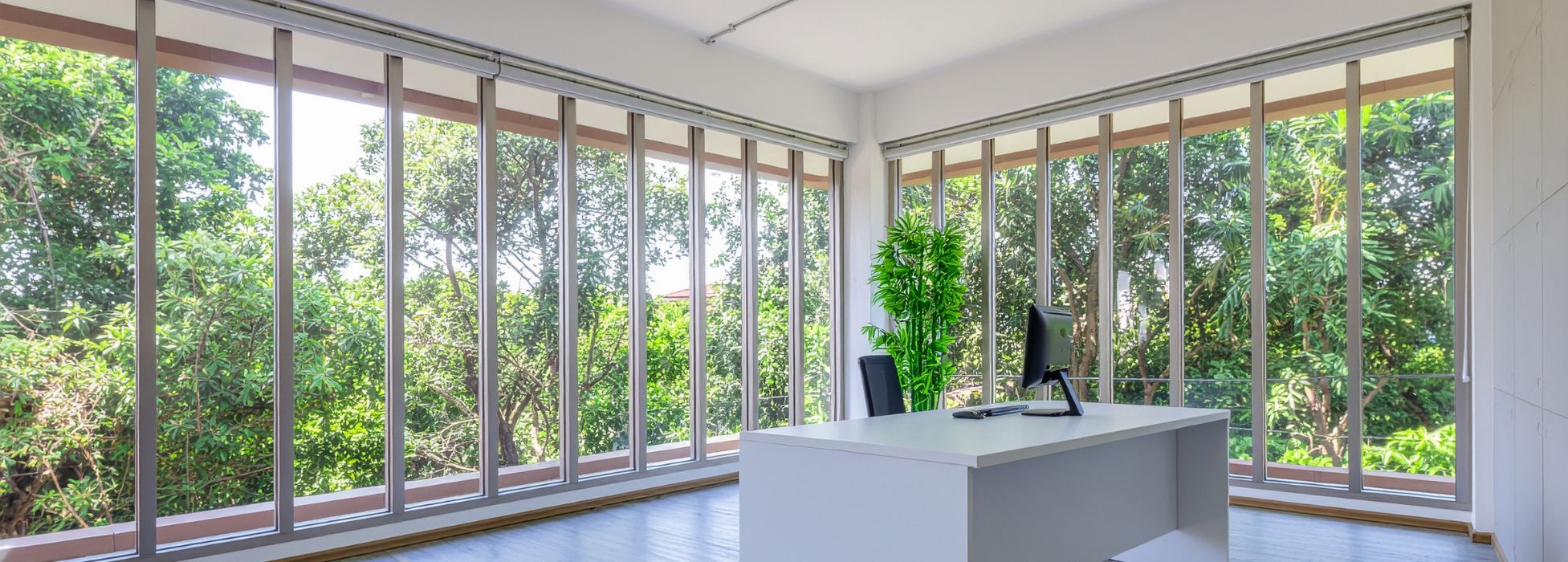
Modern home improvement is undergoing a massive shift as property owners look beyond basic aesthetic updates and focus on long term functionality, energy efficiency, and sustainability. As urban environments become noisier and weather patterns increasingly unpredictable, the choice of building materials has never been more critical. At the forefront of this structural evolution is uPVC infrastructure, particularly in the realm of modern fenestration. Homeowners and real estate developers are rapidly moving away from traditional timber and standard aluminum frames, choosing instead the superior performance and sleek versatility of unplasticized polyvinyl chloride.
One of the primary drivers behind this surging home upgrade trend is the exceptional thermal insulation offered by uPVC systems. Traditional window frames often allow heat transfer, leading to higher indoor temperatures during scorching summers and heat loss during winter months. Advanced uPVC profiles, combined with double or triple glazed glass units, create an airtight thermal barrier. This technology significantly reduces the workload on air conditioning and heating systems, directly translating to noticeable savings on monthly energy bills. For modern households striving to lower their carbon footprint, this energy efficient infrastructure represents a smart and eco friendly investment.
Beyond thermal efficiency, modern living demands sanctuary from external noise pollution. Traffic, construction, and crowded neighborhoods can severely impact indoor peace and well-being. uPVC infrastructure excels in acoustic insulation. The multi chambered profile design of these frames, paired with specialized silicone sealants and precision engineering, acts as an effective sound dampening shield. Homeowners who upgrade to these systems frequently report a dramatic decrease in outside noise, turning their living spaces into quiet retreats despite bustling city surroundings.
Durability and low maintenance requirements further solidify uPVC as the material of choice for contemporary properties. Unlike wood, which is prone to rotting, warping, and termite infestations, or standard metals that can corrode and rust over time, uPVC is exceptionally resilient. It withstands harsh UV rays, heavy rainfall, and coastal humidity without fading, peeling, or degrading. Maintenance is refreshingly simple, requiring only occasional wiping with mild soap and water to keep the frames looking brand new for decades. This freedom from frequent painting, polishing, and costly repairs makes it a hassle-free solution for busy property owners.
Aesthetics also play a crucial role in the widespread adoption of this trend. Early iterations of uPVC windows were often limited to a standard glossy white finish, but manufacturing advancements have completely transformed their visual appeal. Today, homeowners can choose from a wide array of sophisticated colors, minimalist profiles, and realistic wood grain laminates that seamlessly complement any architectural style, from contemporary apartments to traditional villas. Large sliding doors, casement windows, and tilt and turn configurations allow maximum natural light to flood interior spaces while enhancing overall property value.
Ultimately, upgrading to advanced uPVC infrastructure is much more than a cosmetic renovation. It is a strategic investment in comfort, security, and long term property durability. By combining superior energy savings, exceptional noise reduction, and effortless maintenance, uPVC windows and doors are redefining what it means to build a modern, future-proof home in 2026 and beyond.
Contact Us
Kiran Pawar Sir
Email id : ultrainex@gmail.com
Call: +91 -75064 40822