Heavy rainfall combined with strong winds frequently tests the structural integrity of residential window installations. When water begins to accumulate and overflow from window tracks, it poses an immediate threat to interior walls, wooden flooring, and costly home furnishings. Understanding how to stop window track leakage during severe weather requires a mix of immediate maintenance, clearing structural blockages, and selecting resilient framing materials that can handle high volumes of water.
The primary reason window tracks leak during heavy downpours is the failure of the built-in drainage system. Most sliding and casement frames are engineered with small weep holes at the base of the outer track. These channels are designed to collect water that hits the glass and direct it safely outside the building. Over time, these small openings easily become clogged with blowing dust, insect debris, leaves, and accumulated grime. When a storm hits, the water has nowhere to escape, causing the track to fill up like a small dam and eventually spill over into the living room. The first and most effective step to resolve this issue is to thoroughly clean the tracks using a stiff brush or vacuum, and use a thin wire or screwdriver to clear out any debris blocking the exterior weep holes.
Another frequent vulnerability is the deterioration of the seals and caulking around the window perimeter. The constant exposure to intense summer heat and high humidity causes traditional sealing materials to dry out, crack, or pull away from the masonry. During a heavy downpour, rainwater can seep through these external cracks, travel along the inner wall cavity, and pool inside the lower track. Inspecting the exterior perimeter of the frame and applying a fresh layer of high-grade, waterproof silicone sealant can instantly close these entry points. Additionally, checking the internal weatherstripping is essential. Worn-out wool piles or rubber gaskets allow wind to force water straight past the moving sashes, meaning these components must be replaced as soon as they show signs of flattening or tearing.
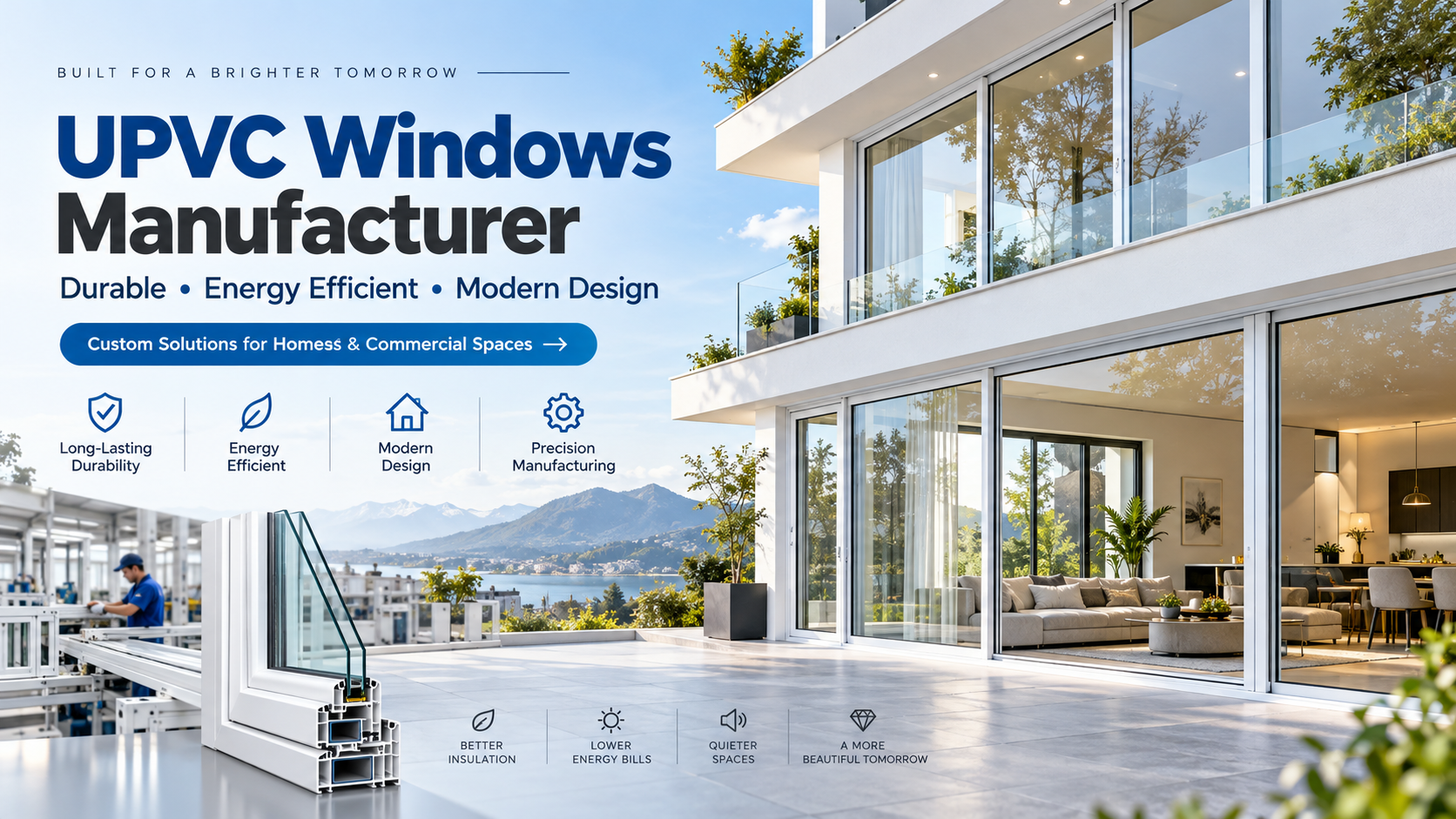
For property owners who experience persistent leakage despite regular maintenance, the underlying issue might be an outdated or improperly installed framing material. Legacy aluminum and wooden frames often lack the advanced multi-chambered drainage technology required to withstand severe coastal monsoons or high-rise wind pressures. Upgrading to modern unplasticized polyvinyl chloride window infrastructure provides a permanent remedy. Premium systems feature deeper track profiles, multi-point locking mechanisms that pull the sashes tight against the gaskets, and dedicated internal water drainage pathways. Taking proactive maintenance steps and investing in high-performance framing ensures that your home remains dry, secure, and completely protected against the most challenging weather conditions
Contact Us
Kiran Pawar Sir
Email id : ultrainex@gmail.com
Call: +91 -75064 40822