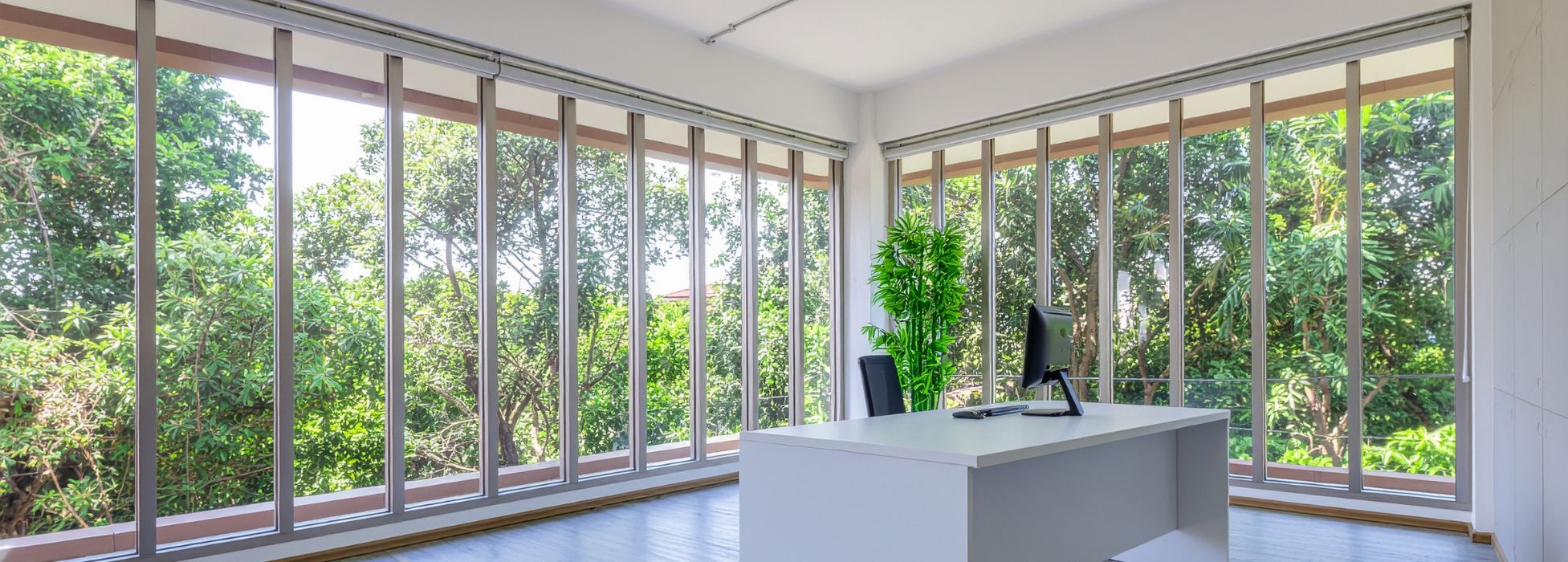
When it comes to building, renovating, or designing modern spaces, selecting the right material for doors, windows, and structural profiles is one of the most critical decisions you can make. For decades, traditional materials like aluminium and wood dominated the construction landscape. However, the architectural and building industries have undergone a massive shift. Property owners, architects, and engineers are increasingly moving away from conventional options in favor of unplasticized polyvinyl chloride, commonly known as uPVC. This modern material has revolutionized infrastructure standards globally, offering a superior combination of durability, energy efficiency, and cost effectiveness. Understanding why uPVC has surpassed traditional alternatives requires a closer look at what makes it an exceptional choice for contemporary construction.
To appreciate the rise of uPVC, one must examine the limitations of older materials, particularly aluminium. While aluminium has long been praised for its sleek appearance and structural strength, it has significant drawbacks, especially in residential and commercial applications. Aluminium is a highly conductive metal, meaning it easily transfers heat from the outside into your indoor spaces during hot summers and lets valuable warmth escape during chilling winters. This thermal conductivity leads to higher energy consumption and increased utility bills for heating and cooling. Additionally, aluminium profiles are prone to condensation, which can damage interior walls and promote mold growth. In coastal areas, aluminium is also susceptible to corrosion and pitting over time due to the salty sea air, requiring frequent maintenance or eventual replacement.
In contrast, uPVC offers a natural thermal break. As a poor conductor of heat, uPVC infrastructure acts as an effective insulator, maintaining a stable indoor temperature regardless of external weather conditions. This superior thermal insulation translates directly to lower energy bills and a reduced carbon footprint, aligning with the growing demand for green and sustainable buildings. Furthermore, uPVC is entirely weatherproof. It does not rust, rot, flake, or corrode when exposed to harsh sunlight, heavy rainfall, or coastal humidity. Unlike wood, which requires regular painting, polishing, and treatment against termites and moisture, uPVC is virtually maintenance free. A simple wipe down with a damp cloth is all it takes to keep uPVC windows and doors looking pristine for decades.
Beyond insulation and low maintenance, uPVC infrastructure excels in security and acoustic performance. Modern uPVC profiles are reinforced with galvanized steel cores, providing exceptional structural rigidity and making them highly resistant to forced entry. When combined with multi-point locking systems and double or triple glazing, uPVC doors and windows offer an impressive level of safety and peace of mind. Moreover, the multi-chambered design of uPVC profiles significantly dampens outside noise. Whether you live near a bustling city street, a busy railway line, or a noisy neighborhood, uPVC acts as a powerful sound barrier, ensuring a quiet and peaceful indoor sanctuary.
Aesthetics and versatility are other areas where uPVC truly shines. Early iterations of uPVC were often limited to plain white finishes, which sometimes deterred architects seeking specific design aesthetics. Today, advanced manufacturing technologies have transformed the market. uPVC profiles are now available in a wide variety of colors, textures, and realistic wood grain finishes, allowing property owners to achieve the timeless look of timber or the sleek, contemporary appearance of dark metal without any of the associated maintenance headaches. Whether you are designing a minimalist modern villa or a traditional heritage home, uPVC can be customized to fit any architectural style seamlessly.
Choosing uPVC infrastructure is ultimately an investment in long-term value, comfort, and sustainability. While the initial installation cost of uPVC is comparable to or often lower than premium alternatives, the lifetime savings are substantial. Because uPVC does not warp, fade, or degrade, it lasts for decades without needing costly repairs or premature replacements. By saving on energy bills, minimizing maintenance efforts, and enhancing security and noise reduction, uPVC proves to be a superior building material in every measurable way. When planning your next construction or renovation project, looking beyond traditional metals like aluminium and embracing the power of uPVC will ensure a durable, beautiful, and energy efficient environment for years to come.