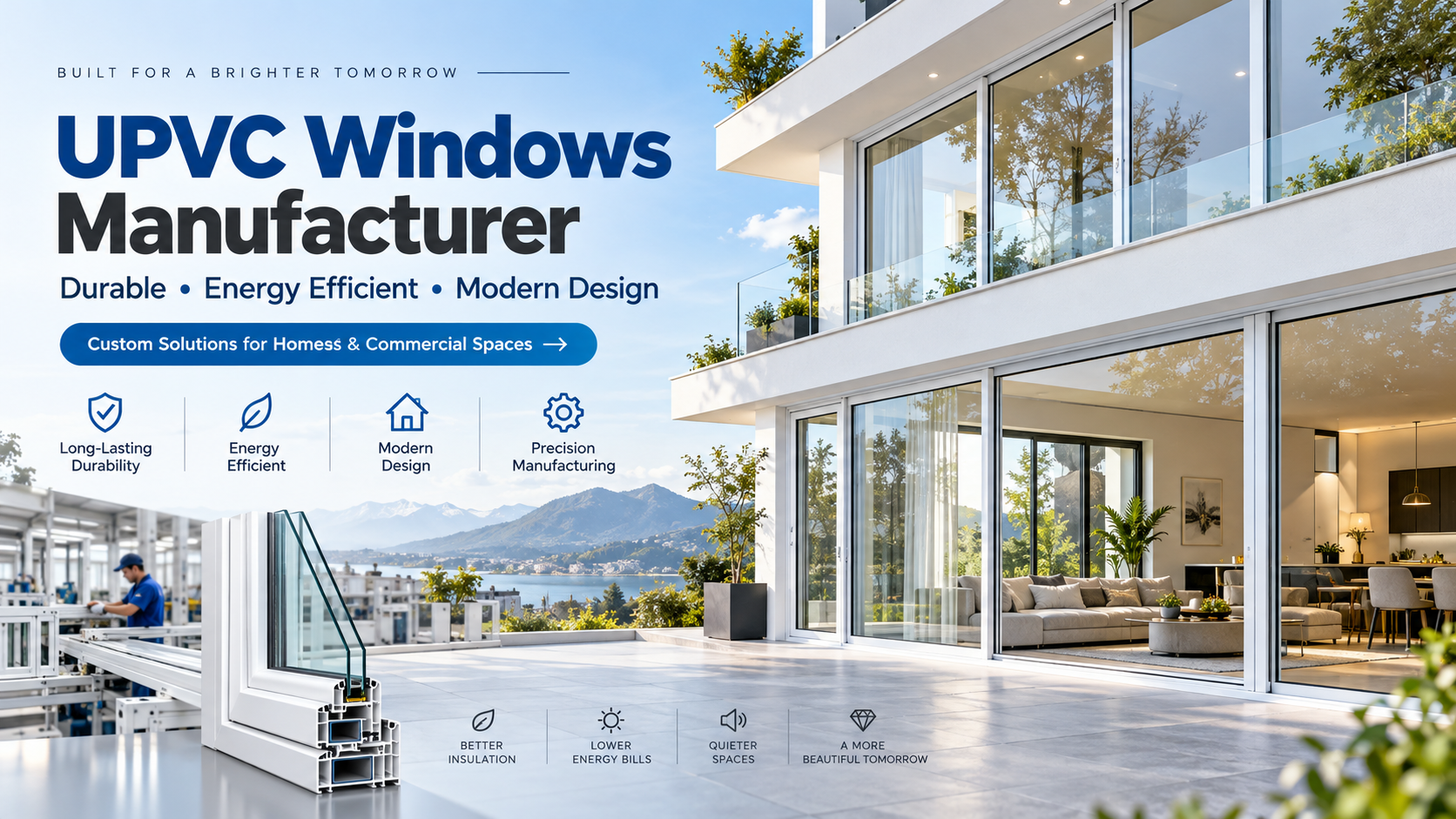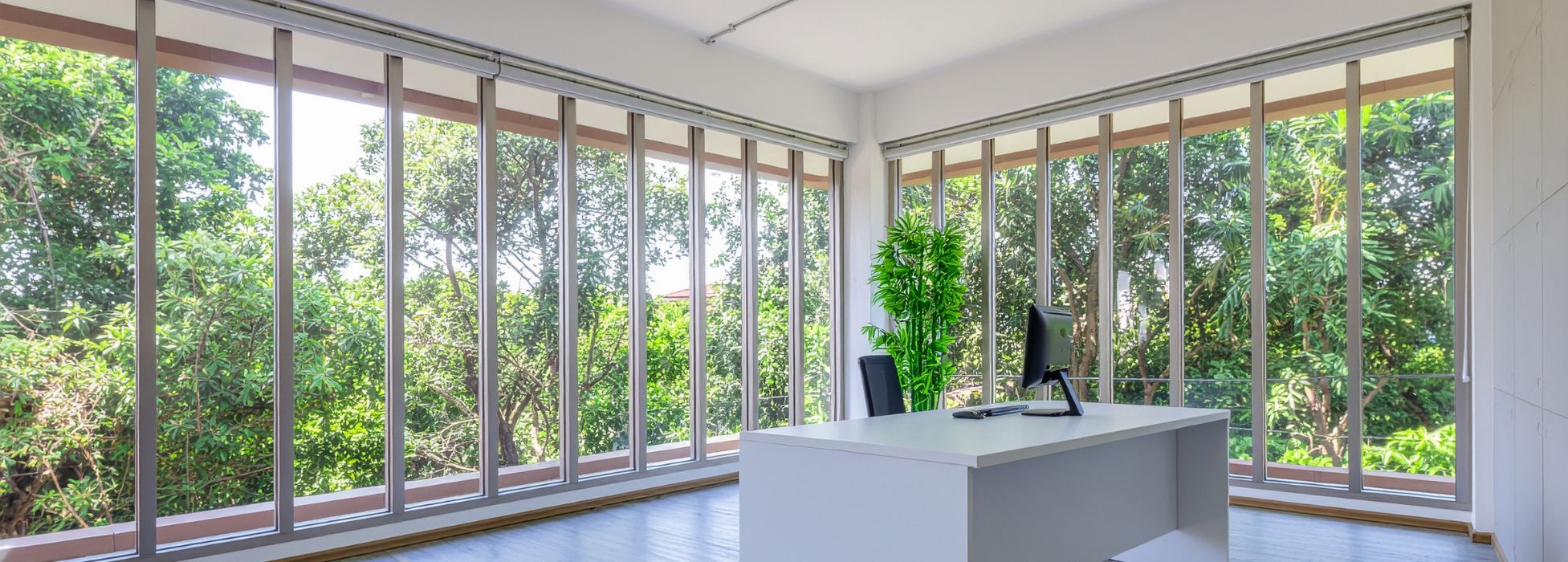
Upgrading the windows in a commercial office space is a substantial investment that impacts daily business operations, energy overhead, and overall employee productivity. While Unplasticized Polyvinyl Chloride has become a dominant material choice due to its durability and cost-effectiveness, commercial procurement requires a different set of considerations than residential installations. As a commercial buyer, navigating the technical specifications of modern UPVC systems ensures that you select fixtures that actively support your business objectives. By focusing on critical performance metrics, safety regulations, and configuration styles, you can make a well-informed decision that delivers maximum long-term value.
Thermal efficiency stands as one of the primary drivers behind commercial window replacement. Large office buildings often face staggering heating and cooling bills, especially if they feature expansive glass facades. When sourcing UPVC windows, it is vital to analyze the overall thermal transmittance rating, commonly known as the U-value. Lower U-values indicate superior insulation properties. For standard office environments, high-performance double glazing is usually the benchmark, as it effectively traps heat during winter months and minimizes solar heat gain in the summer. Choosing frames with specialized multi-chambered internal profiles further reduces structural heat loss, directly lowering utility costs and shrinking your corporate carbon footprint.
Acoustic insulation is another non-negotiable factor when selecting windows for a corporate workspace. External noise pollution from busy metropolitan streets, sirens, and nearby construction can severely impair concentration and elevate workplace stress. Commercial buyers should look for UPVC units specified with acoustic laminate glass or asymmetric double glazing, where the two glass panes have differing thicknesses to disrupt a wider spectrum of sound frequencies. Combined with heavy-duty, airtight compression seals, these advanced configurations can reduce external ambient noise by up to forty decibels, creating a calm, focused environment where employees can collaborate and converse without interruption.
Security and structural compliance represent the final, essential pillars of the buying process. Commercial offices store sensitive data, expensive technology, and hardware, making them prime targets for forced entry. Look for UPVC window profiles that feature internal heavy-gauge steel reinforcements to resist bending, and ensure they are fitted with robust multi-point locking mechanisms. Additionally, check that the hardware complies with regional commercial building regulations, particularly regarding emergency escape routes and fire safety. Opting for tilt-and-turn configurations can be highly advantageous, as they allow for secure micro-ventilation from the top while swinging fully inward to facilitate easy cleaning from inside the office. By prioritizing thermal efficiency, sound dampening, and rigorous security standards, you will secure a workplace upgrade that protects your personnel and enhances your financial bottom line for decades.
Contact Us
Kiran Pawar Sir
Email id : ultrainex@gmail.com
Call: +91 -75064 40822