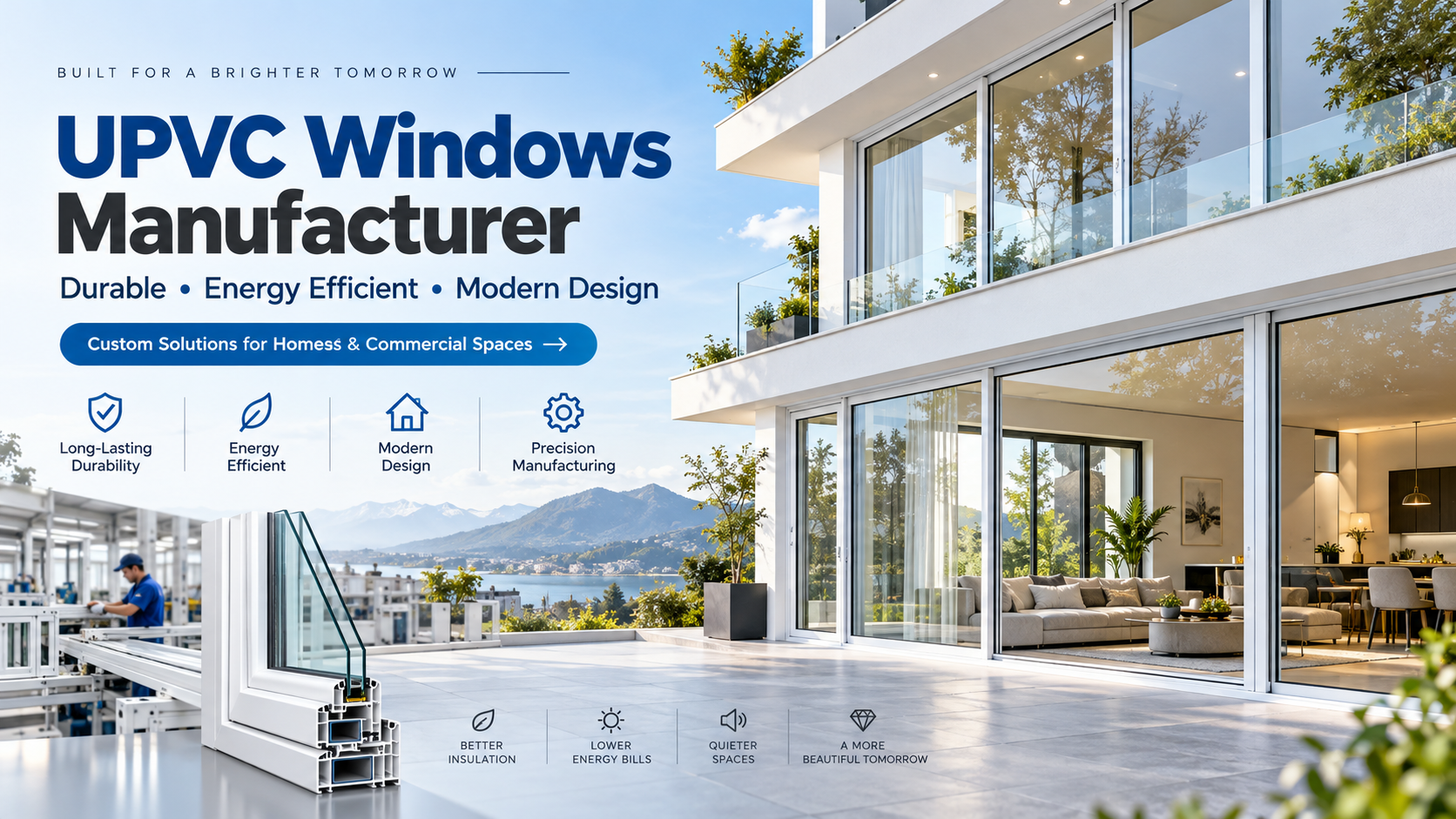
The monsoon season can be a challenging time for homeowners, especially when it comes to protecting their homes from rain, humidity, and strong winds. Windows play a crucial role in maintaining indoor comfort and preventing weather-related damage. While traditional windows have been widely used for decades, modern UPVC windows have become increasingly popular due to their superior performance in various weather conditions. When comparing UPVC windows and traditional windows during the monsoon season, several important factors highlight why UPVC is often considered the better choice.
One of the biggest differences between UPVC windows and traditional wooden windows is their reaction to moisture. Wooden frames tend to absorb water over time, which can cause swelling, warping, and even rotting. These issues may affect the functionality of the windows and lead to costly maintenance or replacement. UPVC windows, on the other hand, are highly resistant to water and do not absorb moisture. Their structure remains stable even during prolonged exposure to heavy rainfall and humid conditions.
Water leakage is another common concern during monsoon. Traditional windows may develop gaps due to expansion and contraction caused by weather changes. These gaps can allow rainwater to seep indoors, resulting in damp walls and damaged interiors. UPVC windows are designed with advanced sealing systems that create a tight barrier against water infiltration. This helps keep indoor spaces dry and protected throughout the rainy season.
Humidity can also have a significant impact on window performance. Traditional materials often require regular maintenance to prevent mold, mildew, and moisture-related damage. UPVC windows are naturally resistant to these issues because the material does not support fungal growth. This makes them easier to maintain and more suitable for regions that experience high humidity levels during monsoon.
Another area where UPVC windows outperform traditional windows is durability. Wooden frames may require periodic painting, polishing, or treatment to maintain their appearance and functionality. Metal frames can be vulnerable to rust and corrosion when exposed to constant moisture. UPVC windows require minimal maintenance and are resistant to rust, corrosion, and weather-related wear. Their long lifespan makes them a cost-effective investment for homeowners.
Noise reduction is another important consideration. Heavy rain and thunderstorms often increase outdoor noise levels during monsoon. UPVC windows provide excellent sound insulation, helping create a quieter and more comfortable indoor environment. This feature can significantly improve the overall living experience, particularly in busy urban areas.
Energy efficiency is equally important. UPVC windows offer superior thermal insulation compared to many traditional window options. They help maintain stable indoor temperatures and reduce energy consumption, making homes more comfortable and efficient throughout the year.
While traditional windows may offer a classic appearance, they often struggle to match the weather resistance and practicality of modern UPVC systems. Homeowners looking for a reliable solution that can handle heavy rainfall, humidity, and changing weather conditions will find UPVC windows to be a smarter choice.
In conclusion, when it comes to monsoon performance, UPVC windows clearly have an advantage over traditional windows. Their resistance to moisture, durability, energy efficiency, and low maintenance requirements make them an ideal option for homeowners seeking long-term comfort and protection during the rainy season.
Contact Us
Kiran Pawar Sir
Email id : ultrainex@gmail.com
Call: +91 -75064 40822