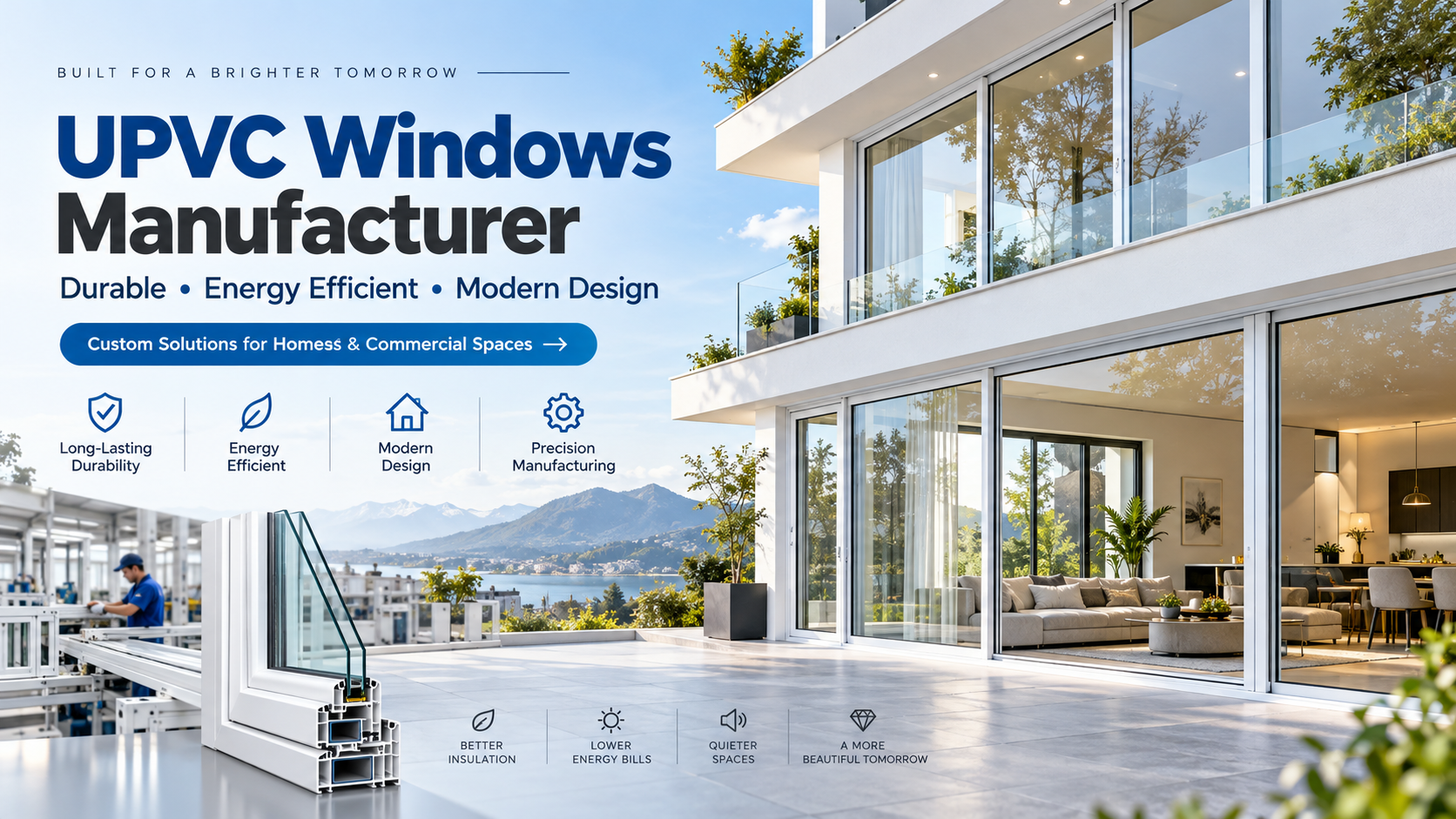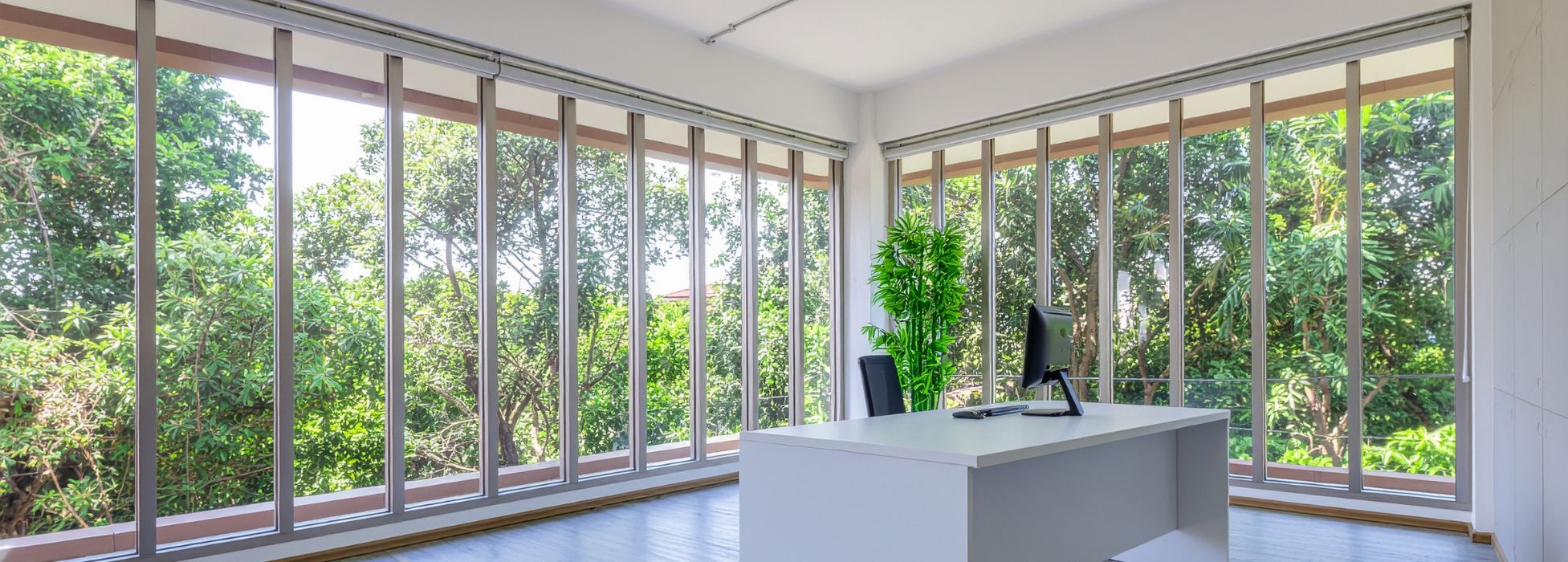
For decades, standard sliding aluminum windows were the undisputed default choice across Mumbai’s real estate landscape. From towering high-rises in Lower Parel to residential complexes in the suburbs, aluminum frames lined almost every facade. However, a major architectural shift is underway in Mumbai’s construction industry. Forward-thinking builders and developers are increasingly abandoning traditional aluminum fixtures and switching to unplasticized polyvinyl chloride, or uPVC, window systems. This transition is heavily driven by the unique environmental challenges of the city and the changing demands of modern homebuyers.
The most critical factor influencing this switch is Mumbai’s notorious monsoon season. The city experiences months of aggressive, wind-driven downpours that test the structural limits of any building envelope. Traditional aluminum windows are typically assembled using mechanical screws at the corner joints. Over time, the sealants in these joints degrade, creating microscopic gaps that allow rainwater to seep into interior walls, causing dampness and mold. High-grade uPVC windows completely solve this structural vulnerability. The corners of uPVC frames are fusion-welded together during manufacturing, melting the material into a single, continuous, and completely impermeable piece. Combined with advanced built-in drainage channels, uPVC infrastructure ensures total water-tightness even during the heaviest torrential storms.
Coastal humidity and salt air present another massive headache for Mumbai developers, particularly for sea-facing premium properties in Worli, Bandra, or Juhu. While aluminum can oxidize, pit, and corrode when constantly exposed to salty marine winds, uPVC is entirely non-reactive and chemical-resistant. It will never rust, corrode, peel, or warp under high humidity. This durability translates directly into a massive reduction in post-handover maintenance complaints for real estate builders, safeguarding their brand reputation long after project completion.
Furthermore, urban homebuyers now place an incredibly high premium on acoustic and thermal comfort. Mumbai is one of the densest and saltiest noise zones in the world, with traffic, local trains, and construction creating constant disturbance. Aluminum is a natural metal conductor that easily transfers sound vibrations and outside heat into an apartment. In contrast, uPVC profiles are designed with multiple internal hollow air chambers that dampen sound waves and block thermal energy. When paired with double glazing, uPVC windows can slash external noise by up to forty decibels while trapping air-conditioned coolness inside. This drastic drop in household energy bills and the creation of a quiet sanctuary makes properties highly attractive to buyers. By moving away from aluminum, Mumbai builders are successfully delivering structurally superior, energy-efficient homes that stand up perfectly to the coastal climate.
Contact Us
Kiran Pawar Sir
Email id : ultrainex@gmail.com
Call: +91 -75064 40822