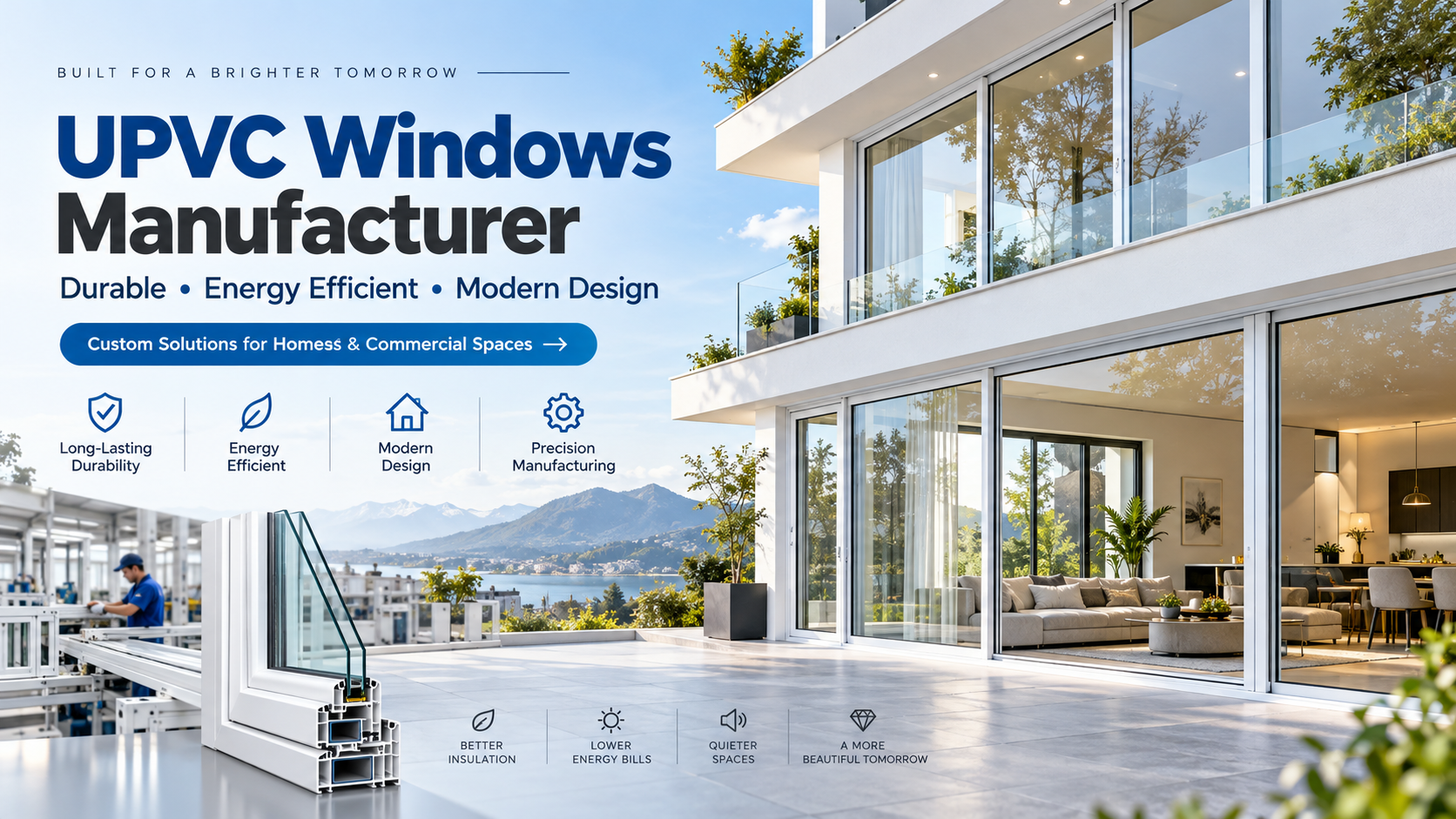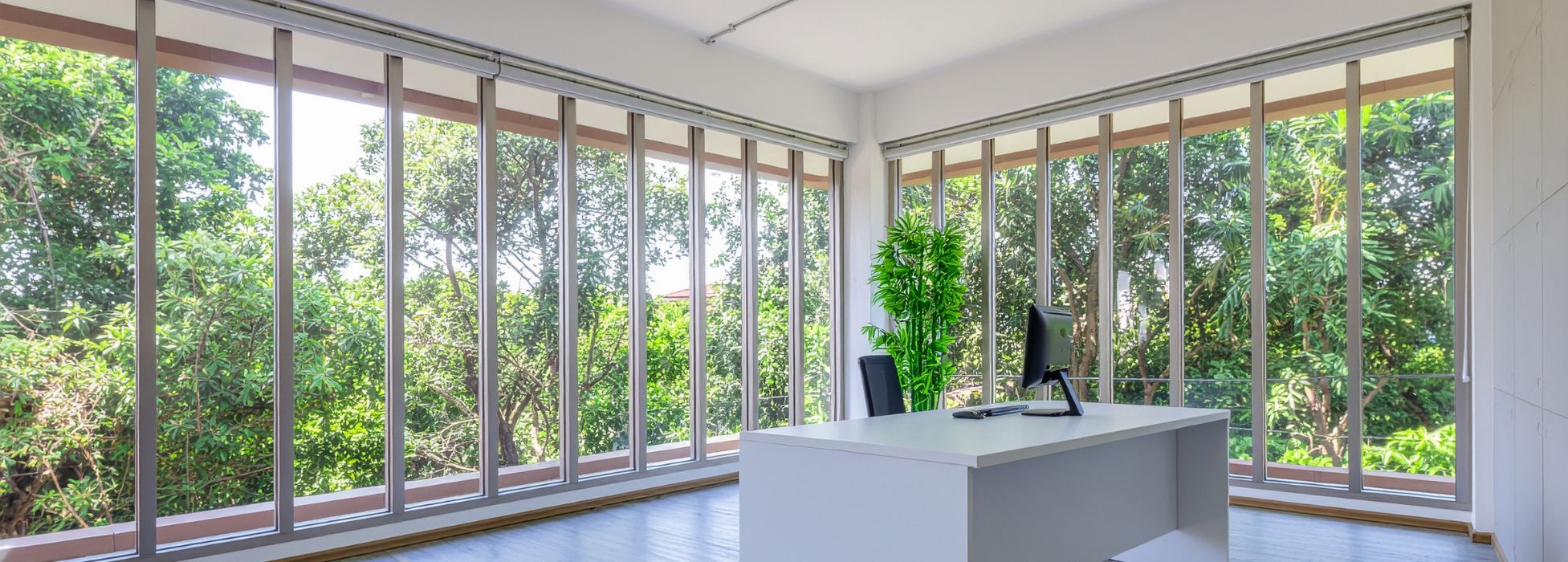
As Maharashtra accelerates its urban development, the construction sector faces a pressing need to adopt sustainable building practices. Cities like Mumbai and Pune are experiencing rapid growth, bringing environmental challenges such as rising urban temperatures, intense monsoon seasons, and increasing energy demands. To build a resilient future, architects and developers are looking beyond traditional materials like wood and aluminum. Modern sustainable architecture in the region relies heavily on high-performance materials, where unplasticized polyvinyl chloride, commonly known as uPVC, plays a pivotal role in green building infrastructure.
One of the most significant contributions of uPVC infrastructure to sustainability is its exceptional thermal insulation property. Maharashtra experiences severe summer heat, leading to massive electricity consumption from air conditioning units. Traditional aluminum windows conduct heat easily, transferring warmth from the outside into air-conditioned spaces. In contrast, uPVC window and door frames act as natural thermal barriers. When combined with double-glazed glass, they drastically minimize heat gain. This reduces the load on HVAC systems, leading to lower energy consumption and a substantial drop in commercial and residential carbon footprints.
Beyond energy efficiency, the longevity and durability of building materials are crucial components of sustainable design. The coastal and varied climate of Maharashtra presents a harsh environment for buildings. High humidity, salt-laden winds in coastal areas, and heavy monsoon downpours quickly degrade wood through rotting and wrap aluminum through corrosion. Because uPVC is entirely weather-resistant, it does not rust, corrode, warp, or flake. This extreme durability means that structures do not require frequent replacements or heavy maintenance schedules involving chemical paints and sealants. Choosing low-maintenance materials significantly minimizes the lifecycle environmental impact of the property.
Furthermore, true sustainability encompasses the indoor environment and human well-being. Urban centers in Maharashtra suffer from high levels of noise pollution from traffic and construction. High-performance uPVC windows offer superb sound insulation, creating quieter, healthier indoor spaces that boost productivity and reduce stress. Additionally, these systems provide tight seals that prevent dust, allergens, and rainwater leakage, contributing to better indoor air quality and preventing mold growth during the monsoon months.
Finally, the environmental credentials of uPVC extend to its lifecycle end. The material is highly recyclable, meaning production waste and old frames can be repurposed into new building components rather than ending up in landfills. By integrating advanced uPVC doors and windows into current architectural designs, Maharashtra is successfully bridging the gap between urban expansion and environmental responsibility. Choosing infrastructure that saves energy, resists extreme weather, and lasts for decades is no longer just an alternative option; it is a fundamental pillar of modern sustainable construction across the state.
Contact Us
Kiran Pawar Sir
Email id : ultrainex@gmail.com
Call: +91 -75064 40822