Why Modern Architects Are Completely Banning Aluminum Windows
The architectural landscape is undergoing a massive transformation as sustainability, energy efficiency, and long-term durability become the core pillars of modern design. For decades, aluminum windows were favored by architects for their sleek profiles and structural strength, especially in commercial high-rises and minimalist residential projects. However, a major shift is happening in design studios worldwide. Forward-thinking architects are increasingly moving away from traditional aluminum frames, and in many high-performance, eco-friendly projects, they are practically being banned. This departure is driven by critical performance failures that aluminum simply cannot overcome in the modern era of climate-conscious construction.
The most significant flaw that has led to the decline of aluminum is its high thermal conductivity. Aluminum is a metal, which means it naturally conducts heat and cold with extreme efficiency. In hot climates, aluminum frames act like thermal bridges, absorbing scorching solar heat and transferring it directly into the interior spaces. Conversely, in cold winters, they pull heat out of the building. This phenomenon forces heating and cooling systems to work continuously, drastically increasing a building’s energy consumption and carbon footprint. Even aluminum frames with thermal breaks struggle to match the natural insulation properties of modern non-metal alternatives like unplasticized polyvinyl chloride, or uPVC.
Another major reason architects are shifting away from aluminum is the issue of condensation and moisture management. When warm, humid indoor air meets a cold aluminum frame, condensation forms rapidly on the surface. Over time, this chronic moisture accumulation trickles down into the walls, leading to peeling paint, ruined drywall, and the growth of toxic mold and mildew. This compromises indoor air quality and structural integrity, which directly clashes with the modern architectural goal of creating healthy, long-lasting living environments.
Acoustic performance is another area where aluminum falls short in modern urban design. Metal frames easily transmit sound vibrations, allowing external city noise, sirens, and traffic to disrupt the peace inside. In contrast, multi-chambered uPVC profiles are naturally engineered to dampen sound waves, providing superior acoustic insulation that modern urban clients demand. Furthermore, aluminum is highly susceptible to oxidation, pitting, and corrosion when exposed to coastal salt air or heavy pollution, requiring specialized coatings that degrade over time.
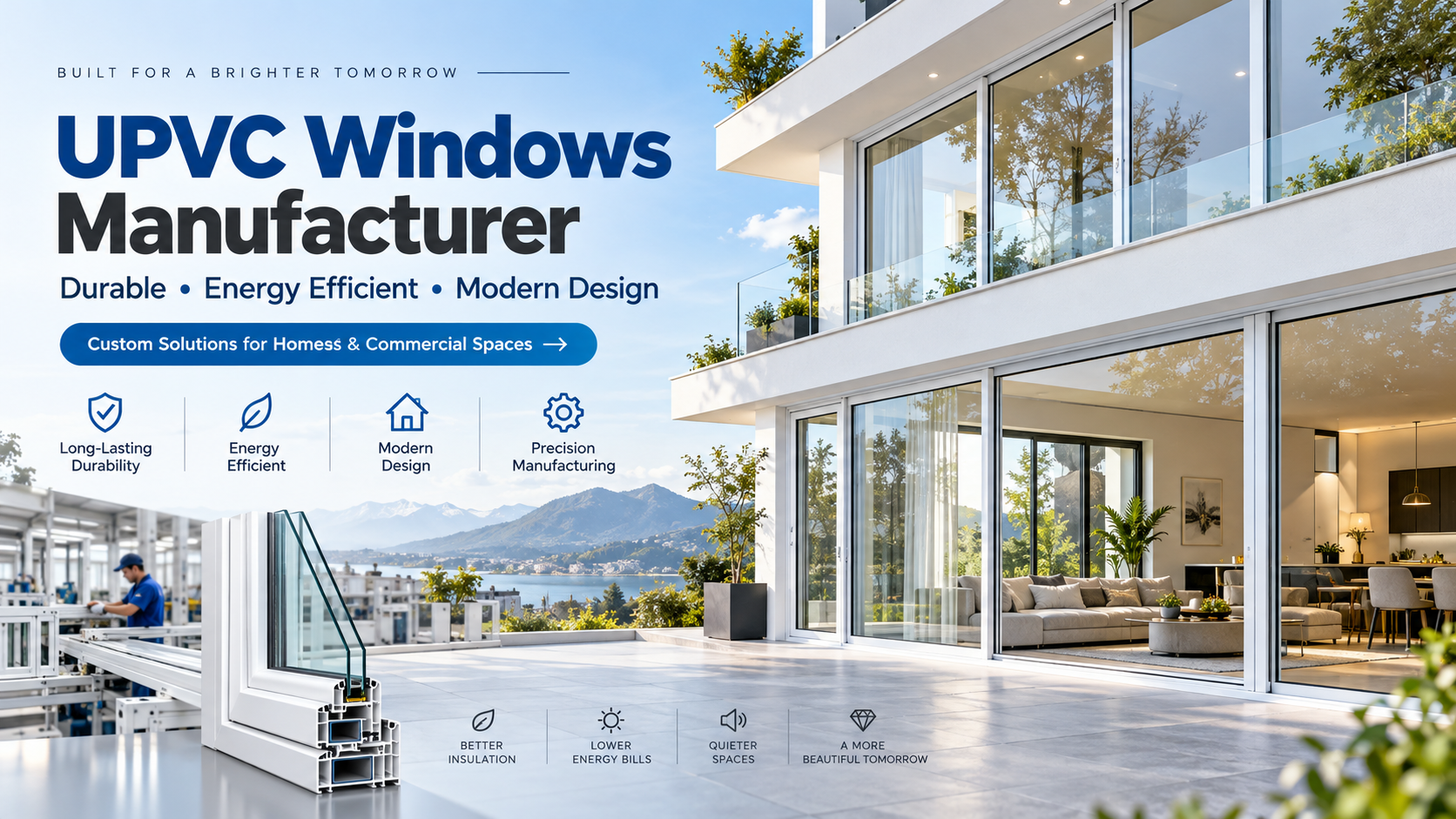
By moving away from aluminum, modern architects are embracing advanced uPVC infrastructure that solves all of these issues simultaneously. uPVC offers exceptional thermal insulation, complete resistance to weather and chemical corrosion, flawless water tightness, and incredible soundproofing capabilities. As building codes tighten and the demand for zero-emission, low-maintenance structures rises, traditional aluminum windows simply fail to meet the criteria. The future of architecture belongs to smart, sustainable materials that protect both the occupants and the planet.
Contact Us
Kiran Pawar Sir
Email id : ultrainex@gmail.com
Call: +91 -75064 40822